Pre- & post operation information
Arthroscopy Of The Knee
Procedure Overview:
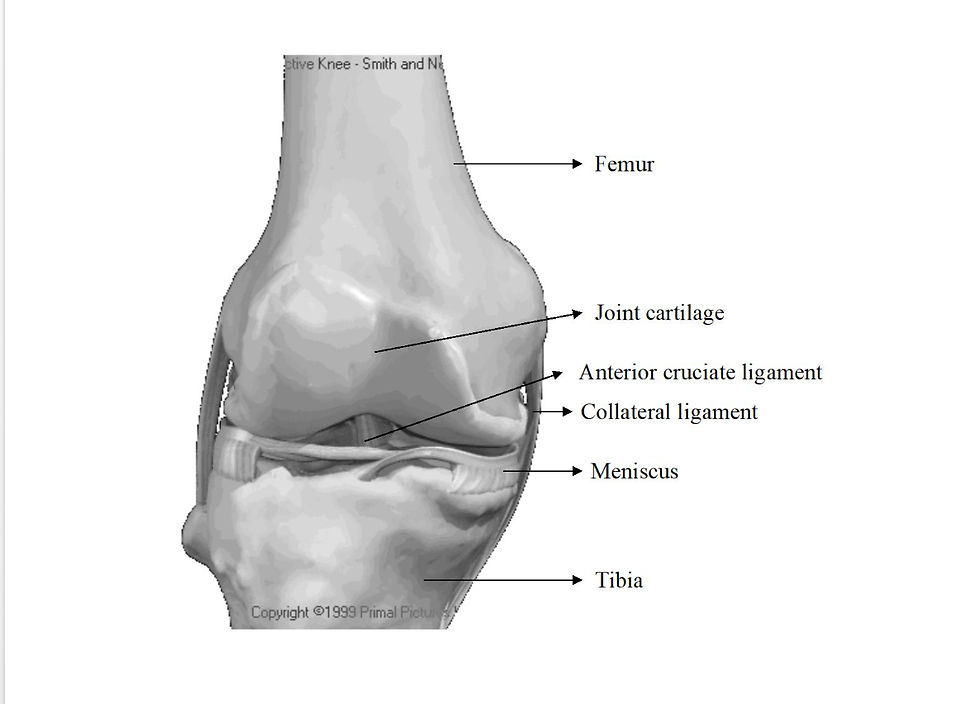
This procedure involves two small incisions made on either side of the patella tendon to insert a camera and surgical instruments. This allows for a comprehensive evaluation of the internal structures of the knee. Any abnormalities identified, such as loose bodies or torn tissue, will be debrided.
Meniscus and Ligament Findings:
If a meniscus tear is identified, the affected portion will be removed or, if located on the outer rim, repaired with sutures. Please note that if an anterior or posterior cruciate ligament tear is found, it will only be debrided at this time. Ligament reconstructions are not performed immediately and may be scheduled for a later date if necessary.
Anesthesia:
The anaesthetist will consult with you regarding your sedation. Please ensure you disclose your full medical history and a current list of medications during this consultation.
Post-Operative Care:
Upon waking, your knee will be bandaged, and a surgical drain may be present. Mr Kruger will determine if the drain is to be removed before your discharge or the following day. Please keep the bandages in place for 4–5 days. Once removed, keep the wounds clean or cover them with small adhesive dressings.
Discharge and Recovery:
Patients undergoing ACL repairs typically stay overnight, while most other arthroscopic procedures are conducted as day cases. On discharge, please ensure you have an adequate supply of pain medication.
Mobility:
You are permitted to bear weight and walk normally. However, you may require crutches if you experience significant discomfort or instability. Mr Kruger will provide specific guidance based on your surgical findings.
Follow-up:
Sutures should be removed by your GP 10–14 days after the procedure.
If you have any questions or concerns, please contact our rooms for assistance.
Pre- & post operation information
Shoulder Arthroscopy
This section provides information regarding your upcoming arthroscopic acromioplasty and rotator cuff procedure, as discussed during your consultation with Dr Kruger.
Procedure Details:
An acromioplasty involves removing part of the undersurface of the acromion using arthroscopic techniques. During the procedure, the shoulder joint, subacromial space, and acromioclavicular joint will be examined. If excessive bony growths (osteophytes) or rotator cuff tears are identified, they will be addressed. While most repairs are performed arthroscopically, a small incision may be required for an open repair if a tear is found to be extensive.
Anesthesia:
The anaesthetist will discuss the anaesthetic process with you directly. Please ensure you provide them with your full medical history and a list of all current medications.
Post-Operative Recovery:
Upon waking, your arm will be in a sling, and the shoulder will be dressed. A drain will be in place, along with a device circulating ice water to manage pain and swelling. Most patients remain in the hospital overnight and are discharged the following day after the drain is removed and dressings are updated.
Physiotherapy and Aftercare:
Physiotherapy is a critical component of your recovery and should begin as soon as possible.
- If a rotator cuff repair is performed, you must not use the shoulder muscles for the first four weeks; only passive mobilisation assisted by a physiotherapist is permitted.
- If only an acromioplasty/debridement is performed, you may begin active movements immediately.
Discharge Instructions:
- Stitches: These must be removed by your GP 14 days after the procedure.
- Medication: Ensure you have adequate pain medication prescribed upon discharge.
If you have any questions regarding this information, please contact us.
